
Register a Company in Estonia as a Foreign Founder
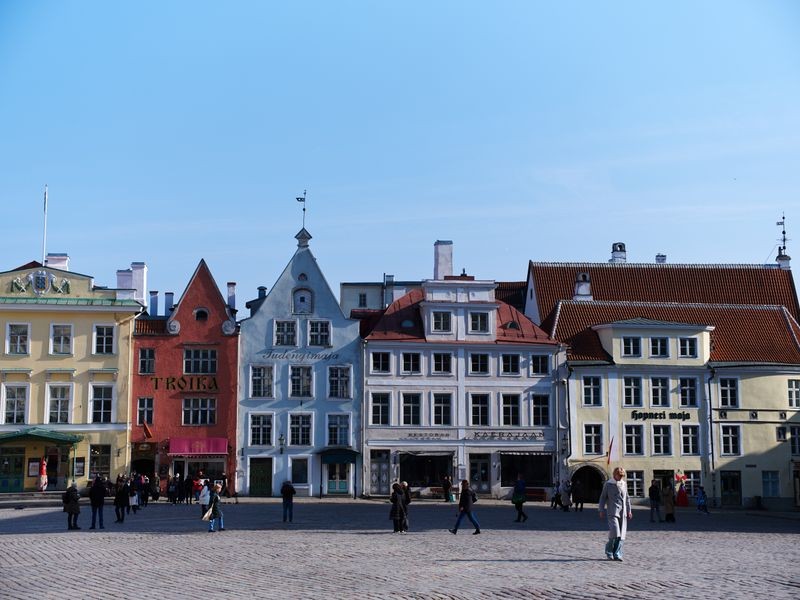
Estonia has a legitimate claim to being the most digitally advanced business jurisdiction in the world. Over 99% of government services are online. The company registration process takes approximately 18 minutes online. The tax system is built specifically to favour businesses that reinvest their profits. And since 2014, Estonia has offered e-Residency, a digital identity that allows anyone, anywhere in the world, to establish and run an Estonian company without ever setting foot in the country.
For founders who want EU access, a credible legal address, and a tax structure that rewards growth over distribution, Estonia is one of the most practical choices available.
Two Routes to an Estonian Company
There are two distinct ways a foreign founder can set up an Estonian company:
1. Physical presence (standard route): You visit Estonia, open a bank account, and register the company in person. This gives you access to all Estonian banking options, including traditional banks. You will need to spend at least a few days in the country.
2. E-Residency (remote route): You apply for an Estonian e-Residency card online, receive a government-issued digital ID card, and use it to sign documents and register your company entirely remotely. Over 100,000 people have become e-residents since the programme launched. The main limitation is banking: most traditional Estonian banks still require a physical connection to Estonia (employees, clients, or operations in the country). Many e-residents use fintech providers like Wise, Revolut Business, or LHV (which has been more open to e-residents) as their primary business banking solution.
The Main Business Structure: OÜ (Private Limited Company)
The Osaühing (OÜ) is the Estonian equivalent of a private limited company and the structure of choice for the vast majority of foreign founders. It is a separate legal entity with limited liability. The minimum share capital is €2,500, though this does not need to be paid up front in cash; it can be deferred.
Applying for E-Residency
If you are taking the remote route, the first step is applying for e-Residency. The application is made online through the e-estonia.com portal. You will need:
- A scanned copy of your passport
- A passport photo
- A short motivation statement explaining your intended use
- An application fee of €120–€150 (varies depending on collection point)
Processing takes approximately 4–8 weeks. Once approved, you collect your e-Residency digital ID card from an Estonian embassy or a designated collection point in your country. The card comes with a card reader.
Step-by-Step: How to Register an OÜ in Estonia
Step 1: Obtain an Estonian digital identity
Either through e-Residency (remote founders) or by registering in person at an Estonian service centre (for those present in Estonia).
Step 2: Register through the Company Registration Portal
Estonian companies are registered through the e-Business Register (ariregister.rik.ee). The registration process is fully online:
- Log in using your digital ID
- Enter the company name (must be unique; the system checks in real time)
- Add shareholders and board members
- Define the share capital
- Upload or confirm the articles of association (you can use the standard template)
- Pay the state fee: €265 for e-registration
The entire process takes approximately 18 minutes for a straightforward structure. The company is usually registered within 1 business day.
Step 3: Register for taxes
Register your company with the Estonian Tax and Customs Board (EMTA) via the e-MTA portal. All companies must file annual reports. VAT registration is required if annual turnover exceeds €40,000.
Estonia's corporate income tax rate is 22%, but it is charged only on distributed profits, not on retained earnings. This means as long as you reinvest profits in the company, you pay 0% corporate tax. When you pay dividends, 22% applies. This structure was designed specifically to encourage companies to grow rather than extract cash early.
Note: Estonia planned to increase the rate from 20% to 24%, but Parliament cancelled the increase in July 2025. The rate remains 22%.
Step 4: Open a corporate bank account
This is the main practical challenge for e-residents. Options include:
- LHV Bank: Estonian bank with a more open stance toward e-resident companies than most. Requires a legitimate connection to Estonia or the EU.
- Wise Business: Widely used by e-residents. Multi-currency, fast setup, no branch visits needed. Not a full bank account, but functional for most purposes.
- Revolut Business: Similar to Wise, though terms have tightened under EU AML rules.
- Inbank, Coop Bank: Smaller Estonian banks worth approaching if your business has clear EU connections.
If you have employees, suppliers, or clients in Estonia or the EU, your banking options are significantly broader.
Step 5: Use a contact person or local service provider (if required)
If all board members are non-residents, Estonian law requires the company to appoint a local contact person who can receive official documents on behalf of the company. Many formation service providers (Xolo, LeapIN, 1Office) offer this as part of their incorporation packages, alongside registered address services.
What Does It Cost?
- E-Residency application: €120–€150
- Company registration state fee: €265
- Local contact person / registered address service: approximately €200–€500 per year depending on provider
- Annual reporting (accountant): €300–€800 per year for simple structures
- Accounting software (Xolo, Finom): from €25/month
Total year-1 cost for a lean solo founder: approximately €1,000–€1,500, making Estonia one of the most affordable EU jurisdictions.
Is Estonia Right for You?
Estonia works well if your clients or revenue are in the EU, you want a credible European legal entity, and you are comfortable operating fully digitally. It works less well if you need significant physical banking access, if your revenue is primarily outside the EU, or if you want to physically relocate to the country (the Digital Nomad Visa income threshold is €4,500/month as of 2026, and the immigration quota is tight).