Inside West Africa’s Next Big Healthcare Opportunity: How Drug Testing Labs Are Becoming a High Growth Business
Across West Africa, a quiet revolution is reshaping the pharmaceutical and healthcare landscape. Governments are tightening regulations, counterfeit medicines remain a persistent threat, and local drug manufacturing is expanding faster than ever before. In the middle of this transformation lies a business opportunity that is both profitable and essential to public health: drug testing laboratories.
From Lagos to Accra, Abidjan to Dakar, the region is witnessing a surge in demand for laboratories capable of verifying the safety, quality, and authenticity of medicines. For entrepreneurs and investors, this sector offers a rare combination of commercial potential and social impact, the chance to build a business that saves lives while tapping into a rapidly growing market.
But entering this industry requires more than capital. It demands a clear understanding of the regulatory landscape, accreditation standards, and the step‑by‑step process that turns an idea into a fully licensed laboratory. Here’s the complete picture.
A Region Hungry for Quality Control
West Africa’s pharmaceutical market is expanding at a pace that would have been unthinkable a decade ago. Population growth, rising chronic diseases, and increased access to healthcare have pushed demand for medicines to record levels. At the same time, governments are cracking down on counterfeit and substandard drugs, a problem that has plagued the region for years.
This shift has created a perfect storm of opportunity for drug testing labs.
Pharmaceutical manufacturers now require batch testing and stability studies before products reach the market. Importers must verify the authenticity of medicines entering the region. Hospitals and research institutions need reliable labs for clinical trials. Even the booming herbal and traditional medicine sector is seeking scientific validation to meet new regulatory expectations.
In short, the market is ready, and the demand is real.
The Institutions That Shape the Industry
Every West African country has its own regulatory ecosystem, but the structure is surprisingly consistent across the region. Whether you’re setting up in Nigeria, Ghana, Senegal, Côte d’Ivoire, or Cameroon, you will interact with four main types of institutions.
1. National Medicines Regulatory Authorities (NMRAs)
These agencies are the gatekeepers of pharmaceutical safety. They license laboratories, inspect facilities, and enforce drug quality standards. Examples include:
- NAFDAC in Nigeria
- FDA Ghana
- DPM in Côte d’Ivoire
- DPL in Senegal
- LANACOME in Cameroon
Their approval is the single most important licence a drug testing lab must obtain.
2. National Standards Authorities
These bodies ensure that your equipment, testing methods, and quality systems meet national and international standards. They validate your scientific processes and ensure your results are reliable.
3. Accreditation Bodies (ISO/IEC 17025)
Accreditation is the gold standard for laboratory competence. It proves your lab can produce accurate, repeatable, internationally recognised results. Many West African labs seek accreditation from SANAS (South Africa) or national bodies like NAS (Nigeria) or GAS (Ghana).
4. Ministries of Health
For labs involved in clinical trials, toxicology, microbiology, or public health surveillance, additional approvals may be required from the Ministry of Health.
Together, these institutions form the regulatory backbone of the industry.
How to Register a Drug Testing Lab: The Process Explained
Setting up a drug testing lab in West Africa is not a quick venture, but it is a structured one. The process is similar across the region, even if the names of the agencies differ.
Step 1: Register the Business
Every journey begins with formal business registration. This includes choosing a company name, incorporating the business, registering directors, obtaining a tax identification number, and securing a physical address for the laboratory. Regulators will not process any application from an unregistered entity.
Step 2: Secure Approval from the National Medicines Authority
This is the heart of the process, and the most technical stage.
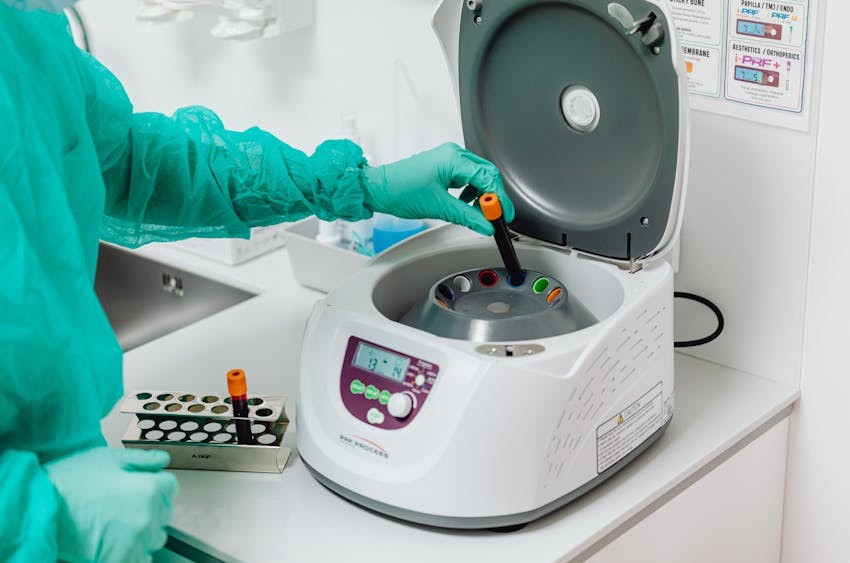
Regulators will expect detailed documentation, including architectural drawings of the lab, equipment lists, calibration plans, SOPs, quality management systems, biosafety protocols, and staff qualifications. Once submitted, the agency will conduct a full inspection to ensure your facility layout supports safe workflow, your equipment meets required standards, and your team is competent.
This approval is your legal licence to operate. Without it, your lab cannot test pharmaceuticals or issue reports.
Step 3: Obtain Certification from the National Standards Authority
Here, the focus shifts to scientific precision. Standards authorities evaluate your testing methods, equipment calibration, documentation, and compliance with national and international standards. Their certification confirms that your results are scientifically valid.
Step 4: Achieve ISO/IEC 17025 Accreditation
Accreditation is what separates a basic lab from a trusted, internationally recognised facility. Accreditation bodies assess everything from staff competence to method validation, equipment maintenance, proficiency testing, and traceability of measurements.
For many clients, especially pharmaceutical manufacturers and international organisations, accreditation is non‑negotiable.
Step 5: Maintain Compliance Through Regular Inspections
Once operational, your lab will undergo periodic inspections. Regulators will review your safety practices, equipment maintenance logs, staff training records, waste management systems, and the accuracy of your test results. Non‑compliance can lead to fines, suspension, or closure.
How Long Does It All Take?
Timelines vary by country, but the overall process typically spans:
- Business registration: 1–3 weeks
- Regulatory approval: 3–6 months
- Standards certification: 1–2 months
- ISO/IEC 17025 accreditation: 2–6 months
Most entrepreneurs should expect six months to one year from concept to full operation.
The Profit Potential: Why Investors Are Paying Attention
Drug testing laboratories are not just essential; they’re profitable.
The region’s pharmaceutical manufacturing sector is expanding. Imports continue to rise. Governments are enforcing stricter quality controls. Clinical research is growing. Herbal medicine producers are seeking validation. International companies entering West Africa need accredited testing partners.
Revenue streams are diverse: batch testing, stability studies, microbiology, toxicology, chemical analysis, clinical trial support, herbal product testing, and more.
The labs that thrive are those that invest in modern equipment, hire skilled analysts, maintain accreditation, and build strong relationships with pharmaceutical companies, hospitals, and regulators.
A Business That Serves Both Profit and Public Health
Starting a drug testing laboratory in West Africa is not a simple venture, but it is one of the most impactful and financially promising opportunities in the region’s healthcare sector. With the right regulatory strategy, investment in equipment, and commitment to international standards, entrepreneurs can build laboratories that support public health, strengthen pharmaceutical quality, and serve both national and international markets.